
San Blas Islands, Panama: What to Know Before You Go
San Blas is the tourist name for Guna Yala, an autonomous Guna territory of small palm islands on Panama’s Caribbean coast. Getting there means about three hours by road from Panama City to the port at Cartí, then a small open boat out to the islands, and every tour on the water is run by the Guna themselves. Foreign visitors pay community fees on arrival, and one night is the minimum that makes the journey worth it.
Let’s start with the part most travel pages leave out: we don’t run San Blas right now. We did for years, until the pandemic ended the flights that made it work, and the honest answer is that it isn’t coming back to our catalogue in the short term. We’ve left this guide up anyway, because we ran those trips for years and the practical details still hold.
So here is what we know, what it costs, and what we’d point you toward instead.
What Guna Yala actually is
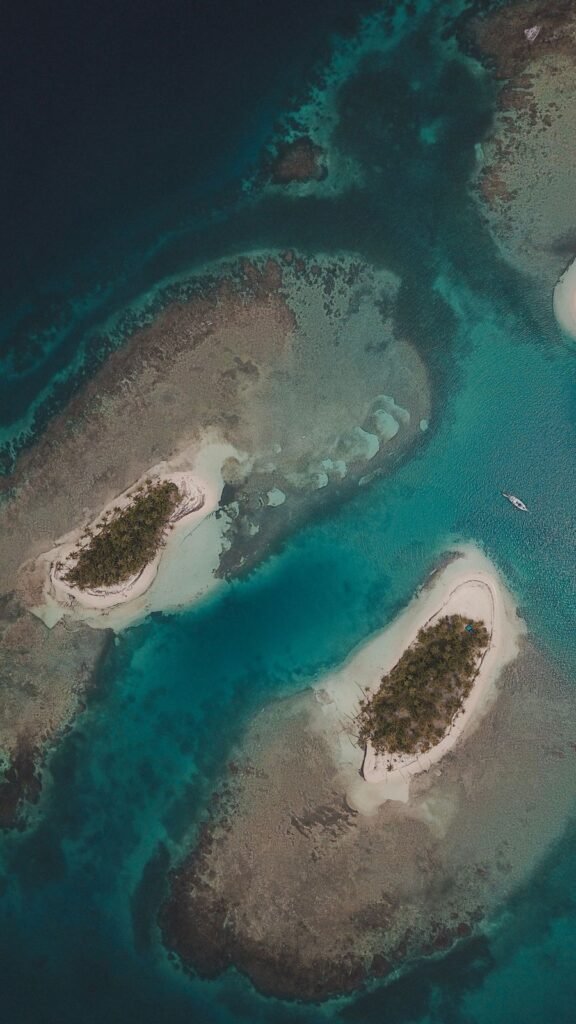
San Blas is the name outsiders use. The place is Guna Yala, an autonomous indigenous territory on Panama’s Caribbean coast — a comarca with its own laws, its own general congress, and its own authority over who operates there and how. That is not a technicality for the visitor. It shapes every practical thing about the trip.
Today, tours in Guna Yala are run exclusively by the Guna people. The boats are theirs, the islands are theirs, the lodging is theirs, the lunch is theirs. Only a very small number of non-Guna operators are authorized even to drive a vehicle into the territory to bring visitors as far as the port. If you are being sold “our San Blas tour” by an agency in Panama City, what you are really buying is transport and coordination on top of a Guna-run day.
None of that is a problem. It just means you should know who you are actually dealing with.
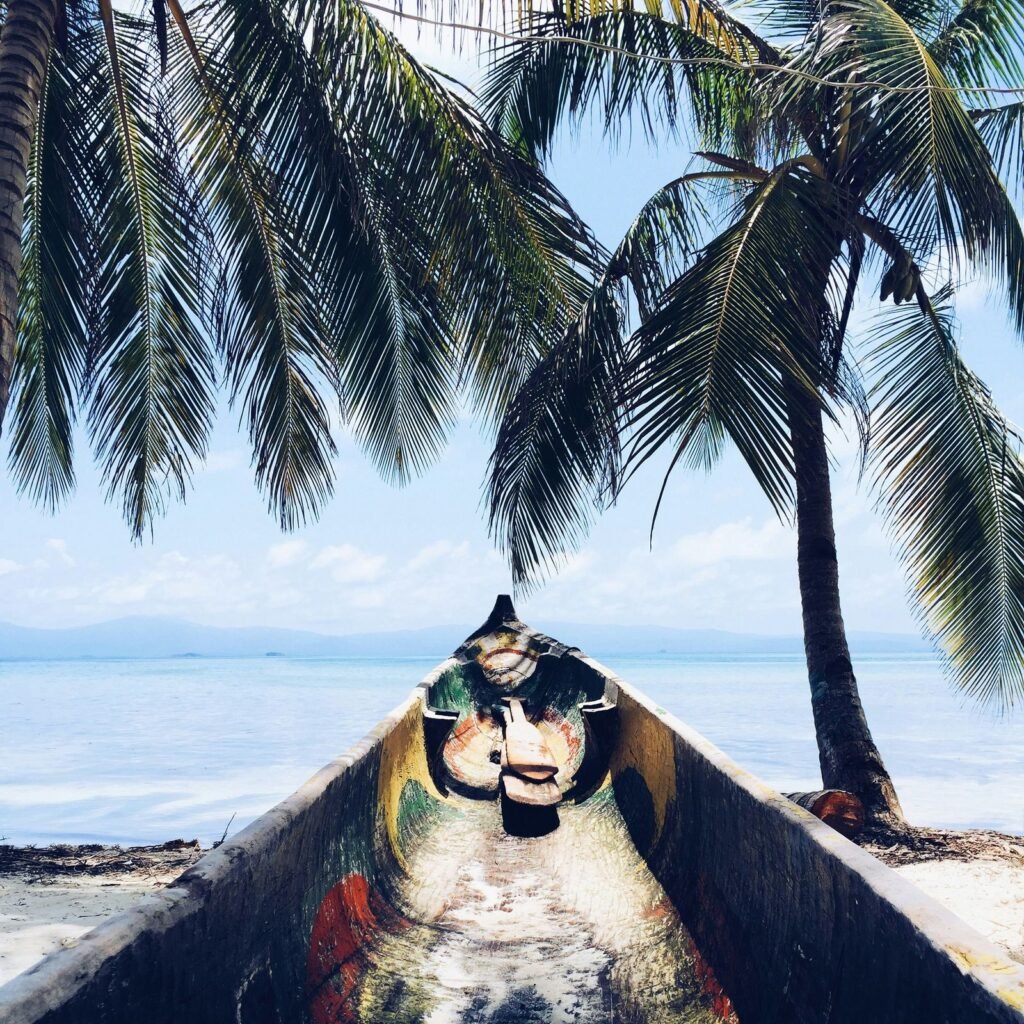
And to be clear about why we’re still writing about somewhere we don’t sell: the place is a tropical beauty. We stopped running it because the flights stopped, not because it stopped being worth going to.
Getting there from Panama City
The route is by road to the port at Cartí, and it takes about three hours each way. Departures are early — the kind of early where you’re in the vehicle before sunrise. From Cartí you transfer to a lancha, a small open boat, and continue out to whichever island you’re visiting.
We’ll be blunt, because this is the thing we’d want a friend to know: as a single day trip, that’s a long and tiring day. Six hours of road around a few hours of island. When we operated San Blas, the flight is what made a short visit make sense; without it, the maths changed for us. If you go, go for at least a night.
The fees nobody mentions until you’re there
Every foreign visitor pays the community directly, on top of whatever the tour costs:
- US$20 — entry to the comarca
- US$2 — port fee at Cartí
- roughly US$2 per island you set foot on
Some agencies build these into the price they quote you. Others don’t, and you find out at a checkpoint with your wallet in your hand. Neither is dishonest — but the quotes look very different for the same trip, so ask the direct question before you book: are the comarca fees included, or paid on the day? If an operator can’t answer that cleanly, that tells you something.
Language, and why a bilingual guide is worth it
A bilingual guide from Panama City is permitted to travel with your group, and we’d recommend one. On the islands there will always be a Guna host present — and they will typically speak Guna and Spanish, not English. Nothing goes wrong because of that, but a whole layer of the day goes missing: what you are looking at, how the community works, and what is appropriate and what is not.
When to go
Panama runs on two seasons. The dry months, roughly December through April, bring the trade winds and the clearest skies — the classic postcard weather, and the busiest. From May through November it’s greener, quieter and wetter, usually in bursts rather than all-day rain.
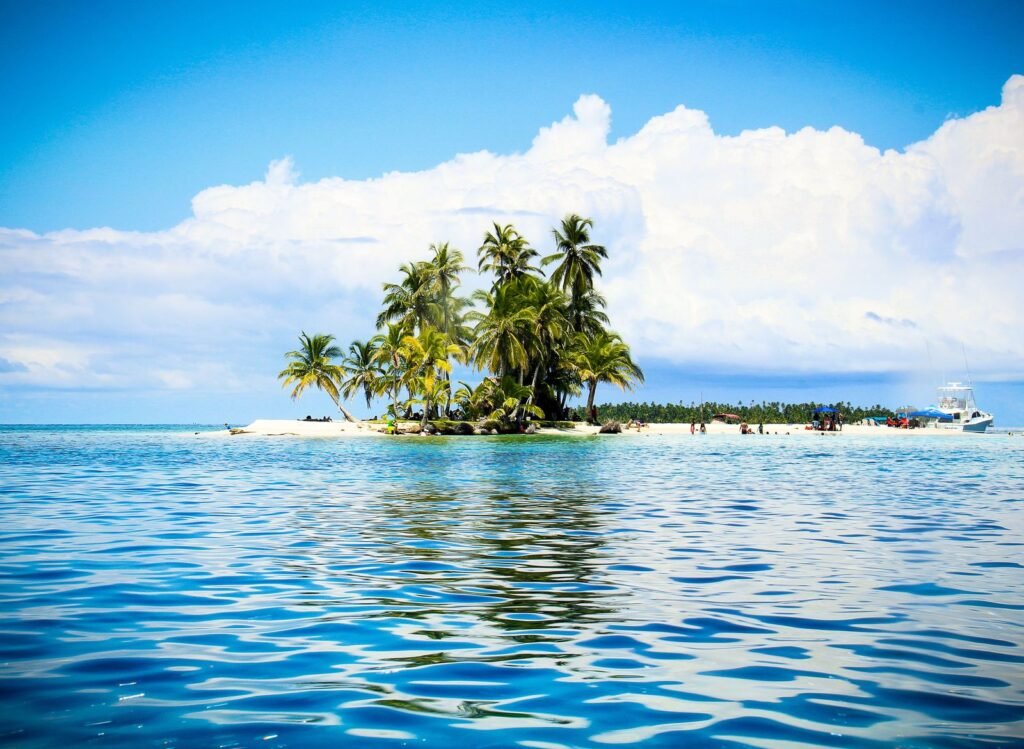
We can’t tell you how the sea will behave on the crossing in a given month — conditions there are local and they change. Ask your operator directly how the lancha ride tends to be on your dates, and if anyone gets seasick in your group, say so when you book rather than when you’re on the water.
Where you sleep, and why we won’t oversell it
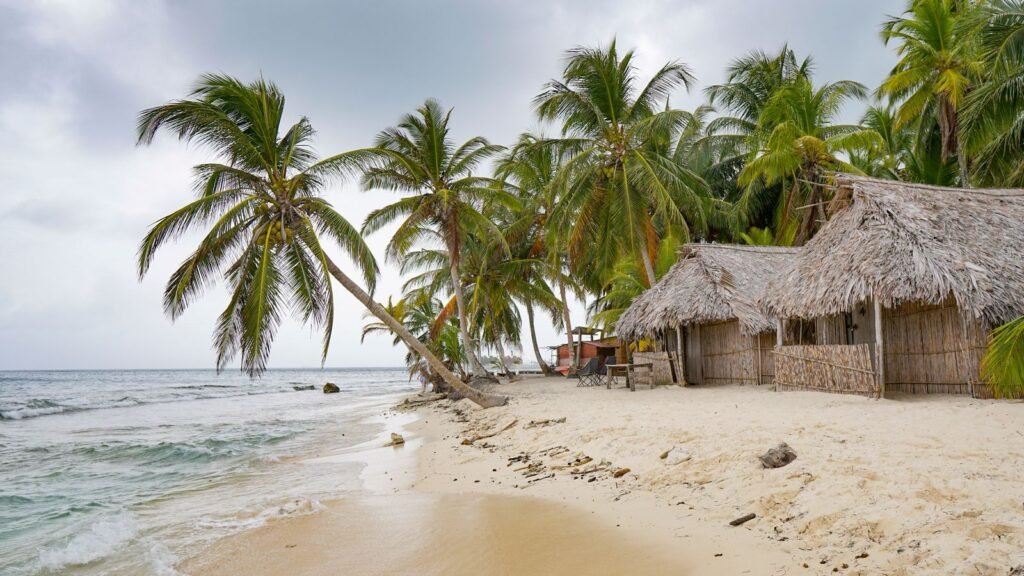
Lodging in Guna Yala is island cabins, run by the communities. Standards vary a lot from island to island, and we don’t have current first-hand knowledge of them — we stopped operating there when the flights stopped.
What to do instead: ask your operator for photographs of the specific island and the specific cabin, taken recently. Ask about electricity hours, fresh water, and what dinner actually is. Any operator should be able to send them.
How many days make sense
One night is the minimum that justifies the road. Two or three nights is when the place stops being a photograph and starts being a stay — and it’s when the pace matches the pace of the islands, which is slow on purpose. Anything longer is a genuine disconnection: limited signal, no traffic, no schedule.
What we run instead: the Caribbean Island Experience
When people ask us for San Blas today, this is the honest alternative we point them to — and, proportions kept, it’s the closest thing we have. The Caribbean Island Experience crosses the country coast to coast in a day, from the Pacific to the Caribbean alongside the Canal, and out by small boat to an island off the coast. It leaves from Colón rather than Cartí, which is precisely the problem it solves.
White sand, palm trees, clear water, and snorkeling on a genuinely beautiful reef with coral and fish. Transport and food are included. And on the way, we stop at Portobelo — a UNESCO World Heritage Site, with the ruins of the fortifications that once guarded the Spanish silver route. You get the history explained, you take the photographs, and then you carry on to the island.
It is not Guna Yala. It is a Caribbean day that doesn’t cost you six hours in a vehicle.
The Caribbean day we do run
Coast to coast in a day, from Colón — reef snorkeling, white sand, transport and food included, and Portobelo, a UNESCO world heritage site, on the way back. The closest thing we have to a San Blas day, without the three-hour road each way.
See the Caribbean Island Experience Build a custom trip
Still set on Guna Yala? Message us on WhatsApp — we can tell you what to ask an operator before you book.
Building the rest of your Panama trip
Almost nobody comes to Panama only for the coast. The country is small enough that the Caribbean, the Canal, the rainforest, the highlands and the capital itself all fit inside a week without racing — which is the real argument for planning the whole trip at once instead of booking days one at a time.
If you want the shape of that, our multi-day itinerary guide lays out what realistically fits in four, six or nine days, and the nine-day route we run is the packaged version of it. And if your dates are fixed and you’d rather hand it over, a tailor-made trip is exactly that: you tell us the dates and what you care about, we build the version that works.
Common questions
Does Eco Trips run tours to San Blas?
Not at the moment. We operated San Blas until the pandemic, and stopped when the local airline suspended the flights that made the trip practical. It may return one day, but not in the short term. Today we point travelers to our Caribbean Island Experience, which leaves from Colón, or build the Caribbean into a tailor-made trip.
How long is the drive from Panama City to San Blas?
About three hours each way by road to the port at Cartí, followed by a boat transfer out to the islands. Departures are before dawn. As a single day trip it makes for a very long day, which is why we’d suggest staying at least one night if you go.
What fees do foreign visitors pay in Guna Yala?
Roughly US$20 to enter the comarca, US$2 as a port fee at Cartí, and about US$2 for each island you visit. These are paid to the community. Some agencies include them in the quoted price and some don’t, so ask before booking.
Do I need a bilingual guide for San Blas?
It isn’t required, but we recommend it. Tours are operated by the Guna themselves, and the host on the island will usually speak Guna and Spanish rather than English. A bilingual guide travelling with your group is permitted and makes the difference between seeing the islands and understanding them.
Who operates the San Blas tours now?
The Guna people, exclusively — the boats, the islands, the lodging and the meals. Guna Yala is an autonomous territory with its own congress and its own rules, and only a very small number of outside operators are authorized even to drive visitors as far as the port.
What is the closest alternative to San Blas near Panama City?
Our Caribbean Island Experience. It leaves from Colón instead of Cartí, crosses from the Pacific to the Caribbean in a day, and includes transport, food and snorkeling on a reef, with a stop at Portobelo, a UNESCO World Heritage Site, on the way back. Proportions kept, it is the closest thing we run to a San Blas day.
Planning the Caribbean side? Our Caribbean Island Experience runs coast to coast in a day from Panama City, with reef snorkeling, lunch and Portobelo on the way back. ★4.9 (337 reviews) — book via WhatsApp.